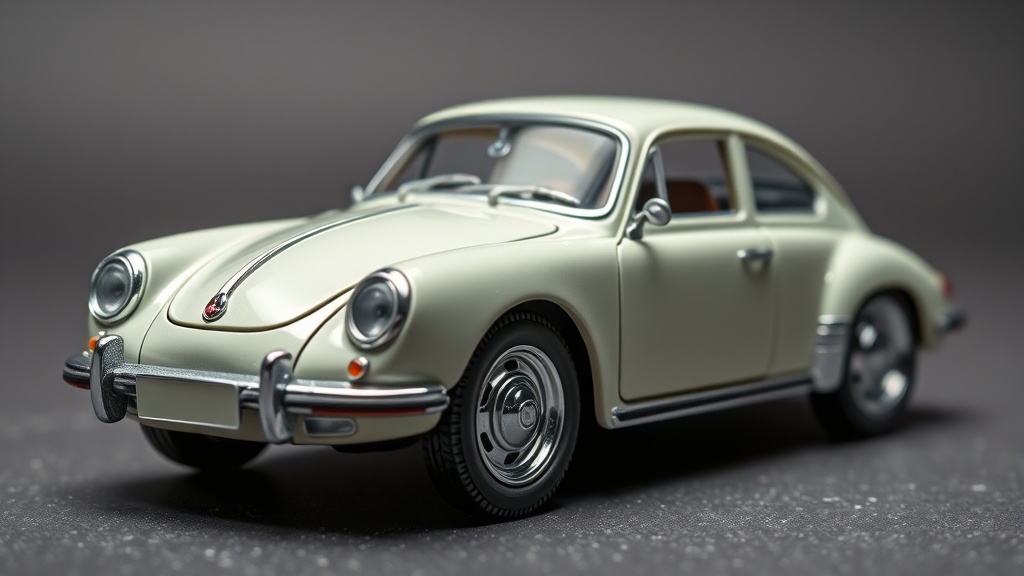
When it comes to showcasing our prized miniature automotive treasures, learning how to display model cars without dust is a question every collector eventually faces. Dust is the archenemy of any display, dulling finishes, obscuring details, and generally diminishing the visual impact of your collection.
Key Takeaways
- Closed Displays are King: For true dust protection, fully enclosed display cases are the most effective solution, ranging from acrylic boxes to custom-built cabinets.
- Airtight is Ideal, but Not Always Practical: While perfectly airtight is the dream, even well-sealed cases significantly reduce dust. Focus on snug fits and minimal gaps.
- Regular Cleaning is Non-Negotiable: Even with protective measures, a consistent, gentle cleaning routine for both cases and models will keep your display pristine.
- Strategic Placement Helps: Avoid high-traffic, vibration-prone areas, and direct sunlight to minimize dust accumulation and paint damage.
- Budget-Friendly Options Exist: You don’t need to break the bank for dust-free displays. Simple acrylic boxes or even DIY solutions can be very effective.
Dust. It’s the bane of my existence as a collector. I’ve spent countless hours carefully unboxing, admiring, and arranging my diecast models, only to find them coated in a fine layer of gray fuzz a few weeks later. Over the years, I’ve tried everything from open shelving to elaborate custom cabinets, and I’ve learned a lot about what works — and what doesn’t — when it comes to keeping those beautiful machines looking their best.
This isn’t just about aesthetics; dust can be abrasive, and over time, removing it repeatedly can lead to micro-scratches on delicate paintwork and decals. For those of us who cherish our 1/18 scale beauties or our meticulously built model kits, protecting them from dust is an essential part of preservation. Let’s delve into the best strategies for a dust-free display.
Why Dust is Such a Problem for Model Cars
Before we tackle the solutions, it’s worth understanding why dust is such a persistent nuisance. Dust isn’t just inert particles; it’s a complex mix of dead skin cells, fabric fibers, pollen, soil particles, and even tiny insect fragments. And it’s everywhere.
- Static Cling: Plastic and metal surfaces on models are often static-charged, attracting dust like a magnet.
- Surface Abrasion: Dust particles, especially those containing tiny mineral fragments, can act like sandpaper if wiped incorrectly or if they accumulate in thick layers. This is particularly damaging to gloss finishes.
- Detail Obscuration: Fine details like grilles, badges, and interior components become obscured and dulled by dust, detracting from the model’s realism and appeal.
- Cleaning Risk: Frequent cleaning (especially with the wrong tools or chemicals, as I painfully learned with a vintage Matchbox car years ago) can damage paint, decals, and plastic parts. The less you have to clean your models directly, the better.
- Allergies: For some, a dusty display can even contribute to indoor allergens, making the collection a source of discomfort.
My early days of collecting were a masterclass in what not to do. I had a beautiful 1/18 scale Ferrari 250 GTO sitting on an open shelf, and I’d just grab a dry cloth and wipe it down. Big mistake. Over time, I noticed faint swirl marks on the glorious red paint. It was a hard lesson to learn, but it spurred me to find better ways to protect my investments.
The Hierarchy of Dust Protection: From Open Shelves to Airtight Cabinets
When it comes to keeping dust off your model cars, not all display methods are created equal. I like to think of it as a hierarchy, with open shelves offering the least protection and specialized, airtight cabinets offering the most.
1. Open Shelves (Least Protection)
This is where most of us start. Simple, accessible, and allows for easy interaction with your models. However, they offer zero dust protection. Models on open shelves will require constant cleaning. I primarily use open shelves now only for “beater” collections, cars I’m less precious about, or in my garage display for tool-themed diecast where a little grit adds character.
Pros:
- Inexpensive and easy to set up.
- Models are readily visible and accessible.
- Great for quick arrangement changes.
Cons:
- Absolute minimal dust protection.
- Requires frequent, direct model cleaning.
- Models are exposed to UV light, humidity, and accidental knocks.
2. Basic Enclosed Shelving Units (Better Protection)
Moving up the ladder, we have shelving units with doors, like standard bookcases or display cabinets. These offer a significant improvement over open shelves, as the doors act as a physical barrier. While not perfectly sealed, they dramatically reduce the amount of dust reaching your models.
Pros:
- Good reduction in dust accumulation compared to open shelves.
- Offers some protection against accidental bumps.
- Still relatively accessible.
- Can look very clean and organized.
Cons:
- Doors often have gaps, allowing some dust ingress.
- Many glass doors aren’t UV protected.
- Internal cleaning of the shelves and occasional model dusting is still necessary.
3. Dedicated Display Cases (Good Protection)
This category includes purpose-built display cases ranging from individual acrylic boxes to multi-shelf glass cabinets designed specifically for collectibles. These usually feature tighter tolerances, better sealing, and sometimes even felt lining to further deter dust.
Pros:
- Excellent dust protection, especially with well-sealed designs.
- Often feature UV-protective glass or acrylic.
- Designed to showcase models effectively, sometimes with integrated lighting.
- Individual cases allow for flexible arrangement and protection of single prized pieces.
Cons:
- Can be more expensive, especially for high-quality, larger units.
- Some assembly might be required.
- Less practical for very large collections unless buying multiple units.
4. Airtight Display Cabinets / Custom Solutions (Best Protection)
At the pinnacle are truly airtight display solutions. These are often custom-built or high-end commercial units designed with gaskets, magnetic seals, or other features to create a near-perfect barrier against dust and humidity. Think museum-quality displays. While this might be overkill for many collectors, for truly rare or valuable pieces, it’s the gold standard.
Pros:
- Near-absolute dust protection.
- Excellent control over internal environment (some can be fitted with humidity control).
- Ultimate protection from physical damage, UV, and pests.
- Professional, high-end aesthetic.
Cons:
- Most expensive option, often requiring custom fabrication.
- Less accessible for spontaneous model handling.
- Installation can be complex.
Over the years, I’ve transitioned most of my core 1/18 collection into IKEA Detolf cabinets (a popular, budget-friendly option that’s easily modifiable for better sealing) or individual acrylic display cases for my very favorite Autoart and Kyosho models. The difference in cleaning frequency is astounding.
Choosing the Right Display Case Material
The material of your display case plays a crucial role in both protection and presentation.
- Glass: Classic, elegant, and scratch-resistant. Provides excellent clarity.
- Pros: Resists scratching, doesn’t yellow over time, premium feel.
- Cons: Heavy, breakable, can be more expensive. Standard glass offers no UV protection; look for UV-filtering glass (often found in higher-end art displays).
- Acrylic (Plexiglass/Perspex): Lighter, less breakable, and often more affordable than glass. Many commercial display boxes are made from acrylic.
- Pros: Lighter weight, much more shatter-resistant than glass, easier to cut and shape (great for DIY projects). Many acrylics offer inherent UV protection or can be specially treated.
- Cons: Scratches more easily than glass, can yellow or become cloudy over many years if exposed to harsh UV (though good quality acrylics are less prone to this). Can build up static charge, attracting dust to the outside of the case.
- Wood/MDF: Used for the frame of cabinets. Adds structural integrity and aesthetic appeal.
- Pros: Sturdy, custom look, can hide wiring for lighting.
- Cons: Can off-gas chemicals (especially MDF) that might affect models, though this is rare and usually only an issue in poorly ventilated, sealed environments.
I’ve got a mix. My larger multi-model cases are glass (the Detolf cabins), and my individual showcase pieces are in clear acrylic boxes. For the acrylics, I’ve noticed they do attract dust to their exterior due to static. A quick wipe with an anti-static cloth on the outside of the case typically solves this.
Sealing the Gaps: Making Your Display Case Dust-Resistant
Even a good display cabinet will have tiny gaps around doors, shelves, and panel joints. These are dust entry points. Here’s how to minimize them:
- Weather Stripping/Gaskets: Thin, adhesive-backed foam or rubber strips can be applied along the edges of doors or where panels meet. This is a common and highly effective mod for cabinets like the IKEA Detolf.
- Magnetic Seals: Some higher-end cases use magnetic strips to ensure a tight, even seal around doors.
- Silicone Sealant: For static, non-moving joints (like where glass panels meet the frame), a thin bead of clear silicone sealant can permanently seal gaps. Use sparingly and carefully.
- Brushes/Felt Strips: Thin brush strips can be installed at the bottom of sliding doors to block dust while still allowing movement.
- Door Sweeps: Similar to home door sweeps, miniature versions can be adapted for cabinet doors.
When I first got my Detolf cabinets, I immediately noticed dust working its way in through the generous gaps around the glass door. A trip to the hardware store for some thin, clear adhesive weather stripping transformed them. Now, I only need to dust the inside maybe once a year, and the models almost never.
Placement Matters: Strategic Location to Reduce Dust
Where you place your display case can significantly impact dust accumulation.
- Avoid High-Traffic Areas: Hallways, entryways, or areas near external doors will naturally have more air movement and thus more dust.
- Steer Clear of Vents: Air conditioning or heating vents blow air (and dust) directly onto your displays.
- Away from Windows: Direct sunlight not only introduces dust but can also fade paint and damage plastic over time. While UV-filtering glass helps, indirect light is always better.
- Stable Surfaces: Vibrations (from heavy footfalls, washing machines, or subwoofers) can dislodge dust from shelves and shake models, potentially causing damage.
- Consider Humidity: Extremely dry or humid environments can sometimes affect models (e.g., decal lifting, metal fatigue). A stable room temperature and moderate humidity are ideal.
My display room is a dedicated space, away from the main thoroughfares of the house. This drastically reduces airborne dust compared to when I had models scattered in living areas.
Cleaning Best Practices for Dust-Free Models and Cases
Even with the best protection, some dust will inevitably find its way in. A gentle, consistent cleaning routine is crucial.
For Model Cars (Inside the Case):
- Microfiber Cloths: Use high-quality, soft, lint-free microfiber cloths. Dampen very slightly with distilled water if needed, but usually dry is best for light dusting. Never use paper towels, as they can scratch.
- Canned Air/Blower: For intricate areas (grilles, engine bays, wheels), a can of compressed air or a hand-powered air blower (like those used for camera lenses) is invaluable. Hold it a few inches away to avoid blasting off small parts. Never shake canned air before use, and aim for a test spray as it can sometimes release propellant.
- Soft Brush: A very soft, fine-bristled brush (like a high-quality makeup brush or a designated model brush) can reach into tight spots, especially for intricate resin models or delicate decals.
- Avoid Harsh Chemicals: Stick to distilled water if you must dampen a cloth. Alcohol, glass cleaners, or other household cleaners can damage clear plastic windows, paint, and decals. This was my mistake with the Matchbox car — a powerful cleaning spray etched the clear plastic windshield. Live and learn!
For Display Cases (Outside and Inside):
- Glass Cleaner (for Glass): Use a non-ammonia glass cleaner with a dedicated microfiber cloth for streak-free glass. Spray directly onto the cloth, not the glass, to avoid overspray getting onto models.
- Acrylic Cleaner (for Acrylic): Use a specialized acrylic cleaner or just a very slightly damp (with water) microfiber cloth. Acrylic is more prone to scratching, so be gentle. Avoid Windex or similar ammonia-based cleaners on acrylic, as they can cause hazing over time.
- Anti-Static Spray/Cloth: For acrylic cases that attract exterior dust, an anti-static spray or cloth can reduce the static charge, making them repel dust rather than attract it.
My routine: Every 2-3 months, I’ll open my Detolf cabinets, carefully remove a few models at a time, dust them with a soft brush and a puff of air, then wipe the interior glass shelves with a slightly damp microfiber. The models go back, and the next few come out. The exterior glass gets a weekly wipe with glass cleaner. My individual acrylic cases get wiped externally with an anti-static cloth every couple of weeks.
Dust Protection Comparison
Here’s a quick comparison of popular display options and their dust protection capabilities:
| Display Type | Initial Cost | Dust Protection Level | Accessibility to Models | Cleaning Frequency (Models) | Notes |
|---|---|---|---|---|---|
| Open Shelf | Low | Minimal | High | Very Frequent | Basic, exposes models to all elements. |
| Standard Bookcase (with doors) | Low-Medium | Basic | Medium | Frequent | Doors help, but gaps allow dust. |
| IKEA Detolf (Glass Cabinet) | Medium | Good | Medium | Occasional | Popular, good value, benefits from sealing mods. |
| Individual Acrylic Box | Medium | Excellent | Low (per model) | Rarely (internal) | Great for high-value individual pieces. |
| High-End Collector Cabinet | High | Excellent-Airtight | Low | Very Rarely | Best commercial option, often sealed tighter. |
| Custom Airtight Cabinet | Very High | Near-Perfect | Low | Almost Never | Ultimate protection, high investment. |
Beyond the Display: Air Quality and Other Considerations
While the display case is the primary barrier, external factors play a role too.
- Air Purifiers: A good quality air purifier with a HEPA filter can significantly reduce airborne dust in your display room. This not only benefits your models but also your indoor air quality.
- Regular House Cleaning: Vacuuming, dusting surfaces (not just your display), and cleaning carpets regularly will reduce the overall dust load in your home.
- Room Humidity: As mentioned, extreme humidity can be bad. A dehumidifier or humidifier might be useful in very dry or very humid climates, though this is primarily for long-term preservation of models, not direct dust control.
My office, where I keep some of my most prized Hot Wheels Redline models, has a small air purifier running whenever I’m in there. I’ve noticed a significant reduction in overall dust, and it means less work for me!
Keeping your model car collection dust-free is an ongoing endeavor, but with the right strategies and a bit of diligence, you can preserve their beauty for years to come. It’s a worthwhile investment of time and effort to protect the miniature works of art we cherish.
FAQ
How do I prevent dust from getting into my glass display cabinet?
To prevent dust from getting into a glass display cabinet, the most effective method is to seal any gaps. This often involves applying adhesive weather stripping or thin rubber/foam gaskets along the edges of doors and where glass panels meet. For cabinets like the IKEA Detolf, adding weather stripping around the door provides a greatly improved seal. Ensure all panels are tightly fitted, and for stationary joints, a thin bead of clear silicone sealant can be used.
What is the best way to clean dust from diecast models?
The best way to clean dust from diecast models is gently and carefully. Start by using a can of compressed air or a hand-powered air blower to dislodge loose dust from intricate areas like grilles, wheels, and interiors. For flat surfaces, use a soft, lint-free microfiber cloth. If a cloth is needed for more stubborn dust, lightly dampen it with distilled water; avoid harsh chemicals. For very delicate models or tight crevices, a soft, fine-bristled brush (like a makeup brush) can be effective.
Are acrylic display cases better than glass for dust protection?
Acrylic and glass display cases both offer excellent dust protection, but they have different characteristics. Acrylic is lighter, less prone to shattering, and often offers inherent UV protection. However, acrylic scratches more easily and can develop a static charge that attracts dust to its exterior. Glass is heavier, more scratch-resistant, and won’t yellow, but it can shatter and standard glass doesn’t offer UV protection. For pure dust sealing, both materials can be made equally effective with proper gasketing.
How often should I clean my model cars in a closed display?
If your model cars are in a well-sealed, closed display case, you should only need to clean them directly once or twice a year, or even less frequently if the seal is truly air-tight. The exterior of the display case will likely need more frequent cleaning (weekly or bi-weekly for glass, bi-weekly for acrylic exteriors due to static). If you notice visible dust inside the case or on the models themselves, that’s your cue for an internal cleaning.