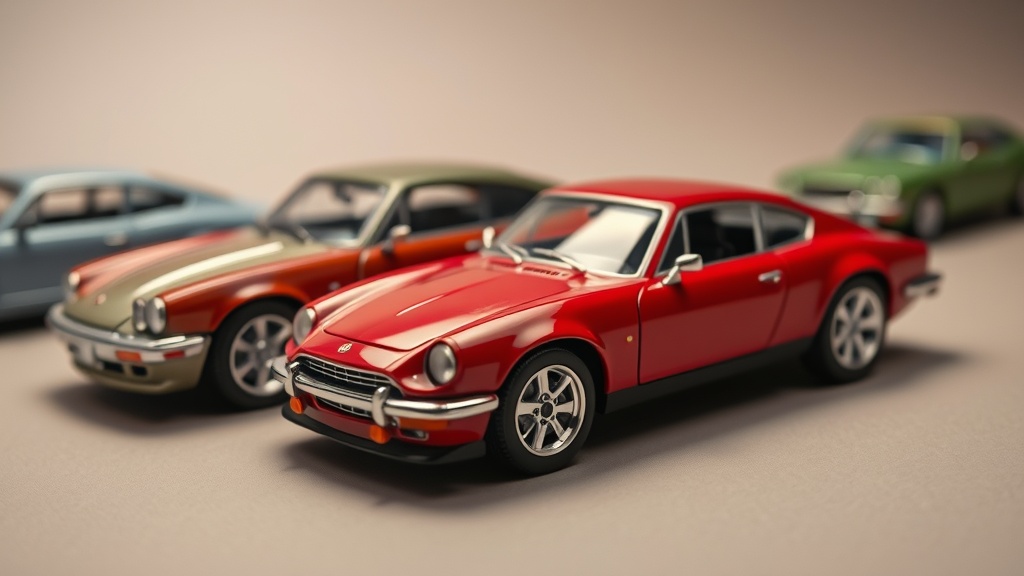
Diecast vs resin model cars — which one should you add to your collection, gift to a budding enthusiast, or display proudly in your garage? As a long-time diecast collector who’s built walls of models, learned through some paint disasters, and tested dozens of brands, I’m here to help you understand the key differences, advantages, and trade-offs between these two popular types of model cars.
Key takeaways
- Diecast model cars typically offer durability, affordability, and mass-market appeal with metal bodies and movable parts.
- Resin model cars often provide superior detail, unique limited runs, and higher collector value but require careful handling.
- Choosing between diecast and resin depends on your budget, display goals, and preferred model genres (e.g., classic, racing, Ferrari).
- Display case needs vary: diecast tends to favor stackable acrylic setups, while resin models benefit from dust-protected single displays.
- Model maintenance differs: diecast can handle light cleaning but avoid harsh chemicals; resin demands gentle dusting to protect fragile details.
Origins and materials: what is diecast and resin?
When you hear “diecast,” picture metal—typically zinc alloy—poured into molds under high pressure, earning this casting method its name. This manufacturing style has dominated collectible model cars for decades, especially at popular scales like 1:18, 1:64 (Hot Wheels), and 1:43. The metal provides heft, durability, and often authentic-feeling weight.
Resin model cars, by contrast, use liquid plastic polymer poured into silicone molds, resulting in pieces that are lighter, yet capable of capturing incredibly fine surface details. Resin models are often handmade or produced in smaller series by boutique manufacturers, catering to collectors craving precision and rarity over mass production.
From acquiring, cleaning, and displaying these models, the material difference significantly impacts your experience and expectations.
Build quality and detail: which captures more?
Over the years, I’ve seen resin models astonish with their intricate moldings—tiny brake calipers, realistic tire treads, and delicate grills that make high-end diecast look ordinary. Resin’s finer material grain allows for complex body lines and thinner panels without excess flash or mold lines. Long-time builders and kit modelers often swear by resin for these reasons.
That said, diecast remains a powerhouse in overall build quality, especially for models with features like opening doors, hoods, and steering wheels. The metal provides rigid chassis and moving parts that stand repeated handling, which resin often cannot match without breaking fragile parts. For example, a Ferrari 1:18 in diecast can often survive a family display shelf better than a similarly sized resin model.
If you value realistic paint finishes, well-matched decals, and detailed interiors, both materials have manufacturers who excel in these areas. However, resin models allow for more experimental finishes (like hand-painted details), adding a bespoke touch missing from many mass-produced diecasts.
Price and production scale: budget vs exclusivity
One of the biggest contrasts is price. Diecast scale cars are generally mass-produced, meaning you can find a solid 1:18 Ferrari or classic Mustang for under $100, sometimes less from budget lines like Maisto or Greenlight. Resin models frequently carry price tags well above $150, often much more, due to limited production runs, higher labor input, and collectible status.
For collectors just starting, diecast provides an accessible entry point with plenty of choice. Resin suits more experienced hobbyists or those seeking standout pieces to anchor a themed collection. The scarcity of resin pieces also means increased long-term investment potential, as some models become highly sought after over time.
When hunting your next find, expect quality diecast to be available in stores and online, while resin may require ordering from specialty dealers or attending collector shows.
Durability and handling: practical considerations
From my own experience, diecast model cars handle well under regular display conditions and modest play—perfect for kids receiving Hot Wheels or parents wanting gift-grade cars that won’t chip or crack easily when accidentally knocked off a shelf. Their robust metal bodies can withstand light cleaning and occasional handling without paint chipping.
Resin models, while stunning, can be delicate. Thin spoilers, side mirrors, or radio antennae on a resin Ferrari can snap if mishandled. Cleaning requires a soft brush rather than any liquid cleaner to avoid yellowing or paint damage. Resin can be sensitive to UV exposure and even humidity, so careful, controlled display cases are often necessary to maintain condition over years.
Once, I ruined a diecast finish using the wrong cleaning product; that lesson means I recommend you stick to soft microfiber cloths with dry dusting or very mild soap and water for diecast. Resin demands even gentler care and fewer cleaning episodes overall.
Display and storage tips: showcase your models safely
Whether diecast or resin, choosing the right display case is crucial to preserving your investment. Diecast enthusiasts will appreciate stackable acrylic cases with clear visibility, allowing multiple shelves of models in one wall or cabinet, especially for Hot Wheels and Matchbox collections accompanied by larger 1:18 diecasts.
For resin cars, dedicated single-case displays with UV protection are best to prevent dust and light damage. Some collectors use felt-lined bases or custom foam inserts to support these models and prevent friction wear on fragile parts.
Temperature and humidity matter greatly for resin, so avoid basements or attics. Diecast fare better against temperature swings but still benefit from controlled environments without excessive heat, which can deform plastic windows or tires.
Regular inspection for loose parts or paint wear will keep your collection museum-worthy.
Diecast vs resin model cars: a comparison checklist
| Feature | Diecast Model Cars | Resin Model Cars |
|---|---|---|
| Material | Zinc alloy metal with plastic parts | Liquid resin polymer |
| Detail level | Good to very good on mass-market models | Excellent to superb in boutique runs |
| Weight | Heavier, sturdy feel | Lighter, delicate |
| Price range | Affordable to mid-range ($20-$150) | Premium to high-end ($150-$500+) |
| Production scale | Mass-produced | Limited series, often handmade |
| Durability | Rougher handling resistant | Fragile, requires gentle care |
| Moving parts | Common (doors, hood, steering) | Rare, mostly static |
| Collector appeal | Great starter to intermediate models | High-end, niche collectors |
| Cleaning/maintenance | Soft cloth, gentle soap | Soft brush, no liquids |
| Display recommendations | Stackable acrylic cases | Dust cover with UV protection |
FAQ
Are resin model cars worth the higher price?
Absolutely, if you prioritize fine detail, limited production runs, or unique handmade finishes. Resin offers a tactile and visual experience closer to studio art than mass-market toys.
Can diecast model cars break easily?
Diecast bodies are robust, but fragile plastic parts (mirrors, spoilers) can break if dropped or mishandled. Proper display and gentle handling extend longevity significantly.
Is it safe to clean resin models with water?
No — water and cleaning products can damage resin finishes. Use a soft brush or compressed air to remove dust gently.
Which model type is better for kids or casual collectors?
Diecast is preferable due to its durability and lower cost. Resin suits serious collectors or adults looking for display pieces.
Can resin models have moving parts like diecast?
Rarely. Resin models are generally static and focus on sculptural detail rather than mechanical functionality.
I hope this detailed breakdown of diecast vs resin model cars helps refine your next purchase choice. Whether you’re adding a diecast Ferrari to your garage wall or showcasing a limited resin roadster, both have their rightful place in any model car enthusiast’s rotation. Keep these pointers in mind, and your collection will shine for years to come.