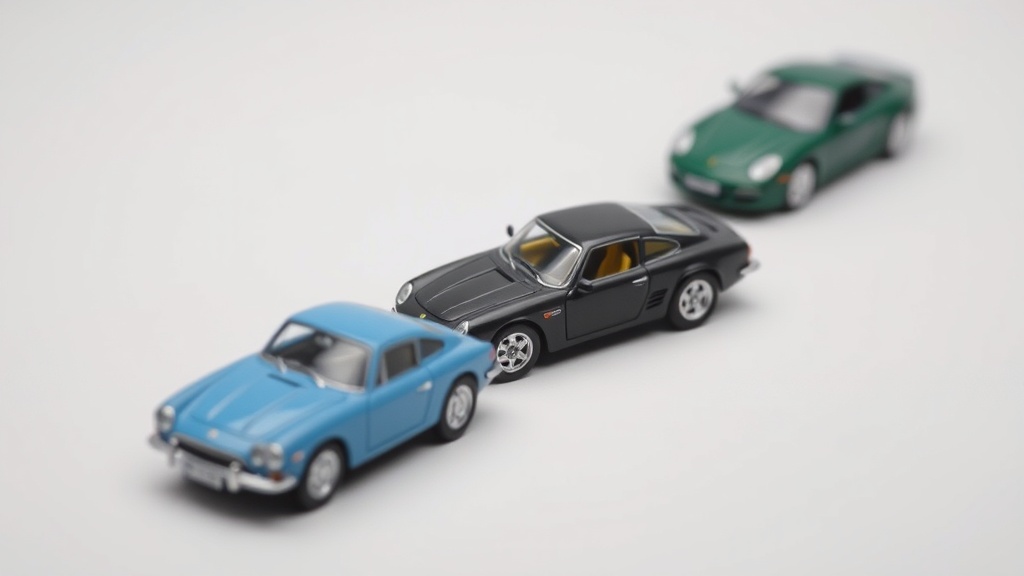
Cleaning your diecast cars properly can preserve their value and stunning details for years to come. Whether you’re a seasoned collector or just starting out, knowing how to clean diecast cars effectively helps you avoid damage while keeping those tiny models looking their best.
Key takeaways
- Use mild, non-abrasive cleaners and soft materials to avoid scratching paint or decals.
- Avoid household spray cleaners and harsh chemicals that can damage diecast finish or remove factory paint.
- Dry diecast cars carefully with lint-free cloths or air drying to prevent water spots and rust formation.
- For delicate parts like decals, chrome trim, or rubber tires, a gentle touch and spot cleaning is best.
- Regular light cleanings are preferable to infrequent deep cleans that require harsher techniques and greater risk.
Why Proper Cleaning Matters for Diecast Cars
From my early days as a diecast collector, I learned quickly that scrubbing away grime with general household cleaners can wreck factory paint and delicate finishes. Diecast cars often mix metal, plastic, rubber, and painted surfaces which require tailored care to maintain their look and resale value. Even dust buildup can diminish the paint’s sheen and obscure intricate details, but improper cleaning invites chipped paint, corrosion, or faded decals.
Considering the investment in detailed models like Hot Wheels Retro or a 1/18 scale Ferrari diecast, a little cleaning knowledge goes a long way. Cleaning also helps prevent long-term damage from dirt, oils from handling, or humidity. The key is knowing which tools and cleaners to use and when — something I’ve honed over hundreds of cleanings of cars ranging from budget Matchbox finds to high-end collectibles.
What You’ll Need to Clean Diecast Cars
Before you dive in, gather these supplies — minimal yet effective.
| Item | Purpose | Notes |
|---|---|---|
| Soft microfiber cloths | Wiping, drying, and gentle dust removal | Avoid terry cloth or abrasive materials |
| Soft-bristled brush | Getting into tiny crevices and panel gaps | Old makeup brushes or small paintbrushes work well |
| Mild dish soap | Light cleaning solution | Avoid degreasers or cleaners with ammonia |
| Warm distilled water | Diluting soap and rinsing away dirt | Using distilled reduces mineral spots |
| Cotton swabs/Q-tips | Spot cleaning tight spots and decals | Carefully used on decals or chrome accents |
| Compressed air | Removing dust from vents and wheel wells | Use gently to not disturb decals |
| Isopropyl alcohol (optional) | Light solvent for sticky grime on metal parts | Use sparingly on painted surfaces; test first |
Steer clear of aggressive chemicals like acetone, window cleaner, and household multipurpose sprays — these can dissolve paint or strip protective coatings. Avoid ultrasonic cleaners unless you know the model’s tolerance, as vibrations or water intrusion can damage delicate assemblies or glued parts.
Step-by-Step Guide: How to Clean Diecast Cars Properly
1. Dusting Off Loose Dirt and Dust
Start by using a soft microfiber cloth to gently wipe the surface. If your car displays intricate details or layered paint, use a soft-bristled brush to dislodge dust from vents, grills, and wheel wells. Using compressed air at low pressure can blow away fine dust but avoid holding the can too close to the model.
2. Preparing a Mild Soapy Solution
Mix a drop of mild dish soap into a bowl of warm distilled water. The solution should be just sudsy enough to clean grime—no more. Dip a microfiber cloth or cotton swab and wring it well so it’s damp but not dripping.
3. Cleaning Painted Surfaces and Plastic Parts
Wipe the diecast car gently with the damp cloth, focusing on larger surfaces. For small crevices, carefully use a damp cotton swab or the soft brush. Avoid soaking the car or getting water into wheel axles, engine compartments, or interior areas which can trap moisture.
4. Spot Cleaning and Sticky Residue Removal
If there are stubborn spots like sticker or tape residue or greasy fingerprints, you can very lightly dab isopropyl alcohol (about 70%) onto a cotton swab. Test in an inconspicuous area first to ensure the paint or decals don’t dissolve or discolor. Never pour or spray alcohol directly onto the model.
5. Drying Your Diecast Cars
After cleaning, pat the model gently with a dry microfiber cloth to absorb remaining moisture. Let it air dry fully in a low-dust environment before returning it to your display. Avoid direct sunlight or heat sources that can warp plastic parts or fade paint.
6. Polishing Chrome and Glass Parts (Optional)
If your diecast has chrome trim or clear plastic windows, use a separate microfiber cloth to polish these parts once dry. Polishing compounds specifically for plastic or metal can restore shine but apply sparingly and with care.
My Personal Tips on Keeping Diecast Models Cleaner Longer
In my collection, I’ve found some habits go a long way in reducing how often I need to clean:
- Display models in enclosed cases or shelves behind glass to minimize dust buildup.
- Handle your models with clean hands or wear cotton gloves to avoid transferring oils or dirt.
- Store delicate pieces away from humid environments to prevent minor rust or corrosion on metal parts.
- Schedule light dusting weekly or biweekly and deeper cleanings every few months rather than letting dirt accumulate.
Comparison of Common Diecast Cleaning Methods
| Method | Effectiveness | Risk to Model | Ease of Use | Recommended For |
|---|---|---|---|---|
| Dry microfiber dusting | Good for light dust | Very low | Easy | Weekly maintenance |
| Warm soapy water wiping | Removes surface grime | Low if done carefully | Moderate | Occasional deep cleaning |
| Isopropyl alcohol spot clean | Good on sticky spots | Medium if overused on paint | Moderate | Tackling residue, test first |
| Ultrasonic cleaning | Thorough | High to moderate (depends) | Difficult | Small, unpainted parts only |
| Commercial diecast cleaners | Varies by formula | Variable | Easy | Use with caution, check reviews |
FAQ
How often should I clean my diecast cars?
For regular collectors, lightly dusting every 1-2 weeks and doing a gentle wash every 3-6 months is a good balance. Models displayed openly will require more frequent attention.
Can I submerge my diecast cars in water?
I do not recommend submerging diecasts entirely, as water can seep into axles or glued parts and cause rust, corrosion, or loosening of joints.
What should I avoid using on my diecast cars?
Avoid harsh chemicals like acetone, window cleaner, ammonia-based products, and abrasive sponges. Also, avoid scrubbing painted areas aggressively or using ultrasonic cleaners unless specified.
Is it safe to use a Q-tip with isopropyl alcohol on decals?
Only with extreme caution. Test a small hidden area first. A lightly dampened Q-tip can remove sticky residue, but excessive use risks peeling or fading decals.
How do I remove fingerprints without damaging the paint?
Use a soft microfiber cloth and slightly dampen it with mild soapy water. Gently wipe without rubbing hard. Fingerprints often attract oils that dissipate with gentle cleaning.
Caring for diecast models isn’t just a chore— it’s part of the joy of collecting. With a little patience and the right tools, you’ll keep your models looking showroom fresh without risking damage. Treat your collection well, and those tiny rides will shine for years.