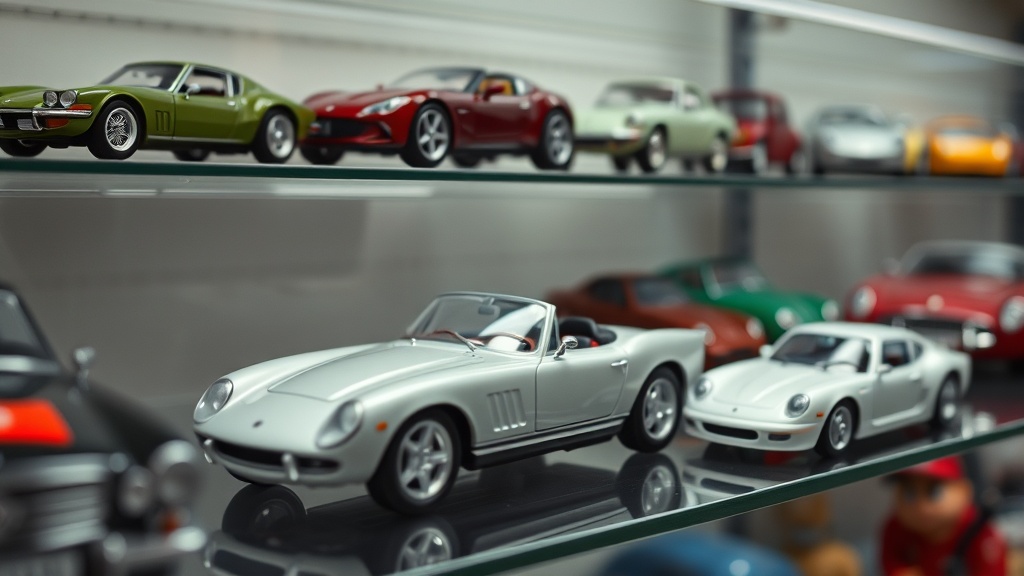
Searching for the best model car display cases for shelves is a common quest for collectors like us. We want to protect our prized possessions from dust and damage while showing them off in all their glory.
Key Takeaways
- Acrylic cases offer excellent visibility and UV protection, and are lightweight, making them ideal for shelf display.
- Wooden display cases provide a more traditional, furniture-like aesthetic and often come with built-in lighting.
- Consider the scale of your models when choosing case size, as a snug fit protects against dust without wasting space.
- Look for features like UV filtering, mirror backs, and stackability to maximize both protection and presentation.
- Regular cleaning of your cases (not your cars!) with appropriate products is crucial for maintaining pristine displays.
Displaying Your Collection: Finding the Perfect Shelf Case
Let’s be honest, there’s nothing quite like seeing your meticulously collected model cars neatly arranged and protected. For years, my collection sprawled across every available surface, gathering dust and occasionally falling victim to an errant elbow. I learned the hard way that a good display case isn’t just about aesthetics; it’s about preservation. Picking the right case for your shelves can make all the difference, transforming a cluttered hobby room into a curated exhibition.
When I started out, my biggest mistake was thinking any clear box would do. I quickly discovered that cheap plastic yellows, flimsy lids don’t seal, and some materials can even react with certain paints. Trust me, you don’t want to find your custom paint job lifting because of an inferior case. I’ve tested countless options over the decades, and while there’s no single “best” for everyone, there are definitely clear front-runners depending on your needs and budget.
Acrylic Display Cases: The Modern Choice
Acrylic cases are, without a doubt, the most popular option for shelf display, and for good reason. They offer superb clarity, are significantly lighter than glass, and are often more affordable.
One of my go-to recommendations for individual 1/18 or 1/24 scale models is the Carney Plastics Display Case. These are fantastic, often featuring a black base and a crystal-clear acrylic cover that simply lifts off. They come in various sizes, so whether you’re showcasing a single 1/64 Hot Wheels or a larger 1/18 diecast, you can find a fit. What I particularly like about Carney is their dedication to quality; the acrylic is usually thick and the seams are well-joined, meaning little dust ingress. They also offer multi-tier cases that are perfect for displaying a small series or multiple scales efficiently on a single shelf.
For collectors with an extensive Hot Wheels or Matchbox collection, look for modular, wall-mountable acrylic display cases designed specifically for 1/64 scale. Brands like DisplayGifts and Sfodiw (yes, I know, the name is a mouthful!) often offer multi-shelf units that can be stacked or placed side-by-side. While these are often advertised for wall mounting, many—particularly the smaller 12-24 car units—fit perfectly on deeper shelves or in bookcases. The advantage here is scale; you can protect dozens of smaller cars with a relatively small footprint.
Pros of Acrylic Cases:
- Excellent Clarity: Most high-quality acrylics are virtually indistinguishable from glass in terms of transparency.
- Lightweight: Easy to move, clean, and rearrange. This is a huge plus if you’re frequently re-organizing your shelves.
- UV Protection: Many acrylic cases offer built-in UV filtering properties, which can help prevent paint fade over time, especially crucial for models exposed to indirect sunlight.
- Durability: While they can scratch more easily than glass, they are far less likely to shatter. This is a big win if you have curious pets or young children.
Cons of Acrylic Cases:
- Scratch Prone: You have to be careful when cleaning. Always use a microfibre cloth and specialized acrylic cleaner. I once tried Windex on a cheap case and regretted it immediately – it caused clouding!
- Static Electricity: Acrylic can attract dust due to static. A good anti-static spray can mitigate this, but it’s something to be aware of.
Glass Display Cases: The Premium Aesthetic
When I first started collecting really high-end 1/18 scale models, I craved a display that matched their prestige. That’s when I migrated to glass cases for some of my most cherished pieces. Glass offers unparalleled clarity and a sense of permanence that acrylic, for all its advantages, sometimes can’t match.
For shelf display, you’re generally looking at smaller, individual glass domes or rectangular cases rather than large curio cabinets. Brands like DisplayGifts (yes, they make glass too!) and products from specialized trophy or jewelry display manufacturers often offer high-quality glass options. These usually feature a wooden base (often mahogany or black) and a removable glass cloche or lid. They are fantastic for highlighting a single, exceptional model.
Some of the most elegant options I’ve seen are from companies that supply retail store displays. While they can be a bit harder to find for individual purchase, they are worth the hunt if you can source them. These often feature beveled edges and a heavier, more substantial feel.
Pros of Glass Cases:
- Superior Clarity: Nothing quite beats the optical clarity of glass.
- Scratch Resistance: Glass is far more resistant to scratches than acrylic.
- No Static Charge: Doesn’t attract dust like acrylic can.
- Premium Feel: Adds a touch of sophistication to your display.
Cons of Glass Cases:
- Weight: Significantly heavier than acrylic, which can be an issue for some shelves.
- Fragility: Glass shatters. One slip, and your case (and potentially your model) is gone. This made me a bit nervous with my most delicate resin models, I’ll admit.
- Cost: Generally more expensive than comparable acrylic cases.
Wooden & Multi-Material Display Cases: Furniture-Grade Protection
Beyond pure acrylic or glass, there’s a world of wooden display cases, often with glass or acrylic fronts. These are fantastic for blending your collection seamlessly into your home decor, giving your models a museum-quality presentation.
I’ve had great success with multi-tier wooden cases from brands like Koehler Home Decor or unbranded options often found on craft and hobby sites. These typically feature solid wood construction (pine, oak, or veneer), a hinged glass or acrylic door, and built-in shelves. They often come with felt lining on the shelves, which adds a nice touch and protects the car’s tires. Some even have pre-installed LED lighting, which, I can tell you from experience, makes your models absolutely pop. I installed a simple LED strip in one of my older wooden cases, and it truly transformed the display.
These cases are excellent for displaying a variety of scales, from 1/64 to 1/24, or even a few carefully selected 1/18 models if the shelves are deep enough. Many are designed to be wall-mounted, but their stable, flat bases make them perfectly suitable for a sturdy bookshelf or display cabinet.
Pros of Wooden Cases:
- Aesthetic Integration: Looks like a piece of furniture, blending well with home decor.
- Sturdy Construction: Generally very robust and protective.
- Built-in Features: Often include shelves, hinged doors, and sometimes lighting or mirror backs.
- Dust Protection: Good seals on doors keep dust out very effectively.
Cons of Wooden Cases:
- Bulkier: Takes up more visual space than purely clear cases.
- Limited Visibility: The wooden frames can obstruct some views compared to all-clear options.
- Weight: Can be quite heavy, especially when filled with models.
Specialized Display Solutions: Beyond the Basic Box
Sometimes, a standard case just doesn’t cut it. Maybe you have a diorama, or a very specific type of model.
For dioramas or larger scenes, I often turn to custom acrylic fabricators. A company like DisplayGifts or Carney Plastics often has custom sizing options, or you can find local plastic shops that can build a box to your exact specifications. This is more expensive, but if you’ve put hours into building a detailed scene around your model, it’s worth protecting it properly.
For signed models or unique pieces, consider cases with an integrated mirror back. This allows you to see the underside or rear details of the car without having to pick it up. Many individual acrylic cases come with this option, and it’s a feature I highly recommend for presentation.
And don’t underestimate the power of a good riser. Even within a case, using clear acrylic risers can elevate some models, creating a more dynamic and visually interesting display on your shelf. I’ve used risers from Azar Displays to add levels to my Hot Wheels displays, making them appear more like a miniature museum.
Comparing Your Options: A Quick Checklist
To help you decide, here’s a quick comparison of the most common display case types suitable for shelves:
| Feature | Acrylic Single/Multi-Car | Glass (Domes/Small Rectangles) | Wooden (with glass/acrylic door) |
|---|---|---|---|
| Material | Acrylic | Glass | Wood frame, glass/acrylic door |
| Clarity | Excellent | Superior | Good (some frame obstruction) |
| Weight | Lightweight | Heavy | Moderate to Heavy |
| Durability | Good (scratch-prone) | Excellent (shatters) | Excellent |
| UV Protection | Often good | Variable | Variable |
| Dust Protection | Good (static attract.) | Good | Excellent (with sealed door) |
| Aesthetic | Modern, unobtrusive | Premium, elegant | Classic, furniture-like |
| Cost | Budget to Mid-range | Mid-range to High-end | Mid-range to High-end |
| Best For | Volume, smaller scales, modern cars | Showcase single statement pieces | Blending with home decor, multiple scales |
| Maintenance | Special cleaner, anti-static | Standard glass cleaner | Wood cleaner, glass cleaner |
Maintenance: Keeping Your Cases Pristine
A display case is only as good as its cleanliness. A dusty case defeats the purpose of showing off your models. Here are my tried-and-true tips:
- Acrylic: Never use ammonia-based cleaners like Windex. They will cloud the acrylic. Use a specific plastic cleaner or acrylic polish and a soft microfibre cloth. For daily dusting, a soft, dry brush or a can of compressed air works wonders to dislodge static-clung dust.
- Glass: Standard glass cleaner with a streak-free formula and a microfibre cloth works perfectly.
- Wood: For the wooden parts of cases, a furniture polish or a damp cloth followed by a dry one will suffice. Avoid getting wood polish on the glass or acrylic.
Remember, clean the case, not the car itself. Opening the case to dust the model should be a rare event to minimize dust exposure and handling.
Final Thoughts from My Bench
Choosing the best model car display cases for shelves comes down to a balance of protection, presentation, and practicality. As a collector who’s seen models degrade from improper storage and soar in value due to pristine display, I can’t stress enough the importance of investing in good cases. Whether you opt for the modern clarity of acrylic, the timeless elegance of glass, or the robust beauty of wood, finding the right case will not only protect your collection but also enhance the joy you get from it every single day. Happy collecting!
FAQ
How do I choose the right size display case for my model cars?
Measure your model car carefully (length, width, and height), then choose a case that provides at least half an inch of clearance on all sides. This allows for easy placement and removal without touching the sides, which can scratch sensitive paint. For smaller scales like 1/64, multi-car cases usually specify the number of cars they hold.
Can display cases protect models from UV light?
Many high-quality acrylic display cases offer UV filtering properties, which can significantly reduce the harmful effects of sunlight on your models’ paint and plastic. Glass generally offers less UV protection unless specifically treated. Always try to display your cases in areas away from direct sunlight, even with UV-protected cases, for maximum preservation.
Are stackable display cases a good option for shelves?
Yes, stackable display cases are an excellent option for optimizing shelf space, especially for larger collections of smaller scale models. Look for cases with interlocking designs or sturdy, flat tops and bases to ensure stability when stacked. Just be mindful of the total weight on your shelf, especially if displaying heavy 1/18 diecasts.
How do I prevent dust from getting into my display cases?
For cases with removable lids, ensure the fit is snug. For cases with hinged doors, check for a good seal. Acrylic cases can attract dust due to static electricity; regular cleaning with an anti-static acrylic cleaner and using a soft microfiber cloth can help. Placing cases in areas with good air filtration and avoiding open windows can also reduce dust.
Featured products
- Greenlight Collectibles - 1:24 Acrylic Case with Plastic Base
- 1/24 Scale Diecast Car Display Case, Wall Mount Wood Cabinet for 16 Cars
- J JACKCUBE DESIGN 1/64 Scale Diecast Car Display Case Wall Mount Storage Cabinet for 56 Toy Cars, Clear Acrylic Collection Organizer Rack (Black, 24.61 x 13.78 x 2.05 inches) - MK184A
- Clear Acrylic Display Case for 1:24 Scale Diecast Toy Model Cars Hot Small Toy Wheels Storage Showcase, 98% UV Protection, 4mm Thick Acrylic 24 Compartments,
- Display Case for Hot Wheels & Matchbox Cars with LED Light, Toy Car Garage