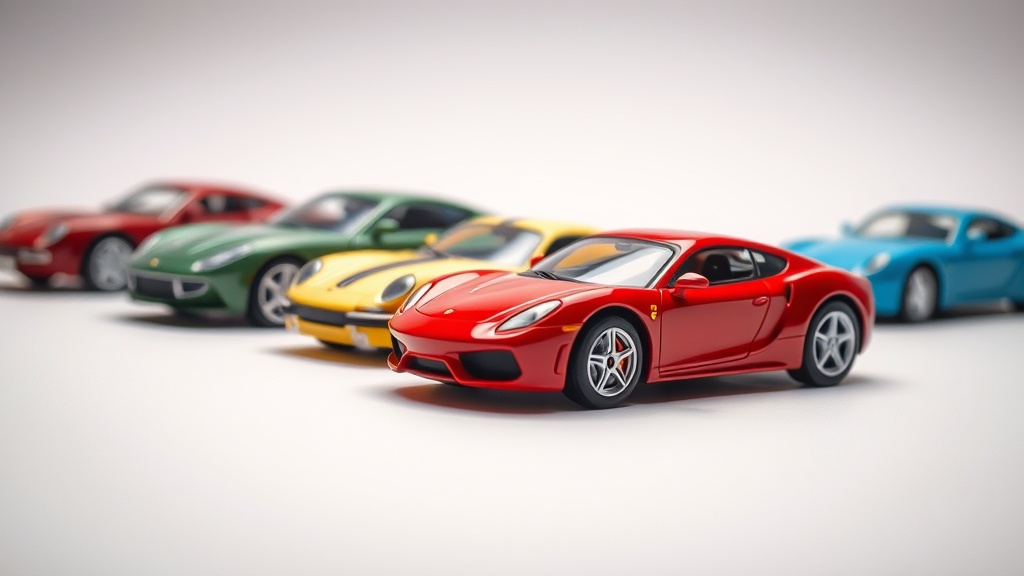
When deciding what model car scale is best, understanding the practical uses, display needs, and collector preferences is key. From the more common 1:18 scale to pocket-sized 1:64 models, each size has its sweet spot depending on your space, budget, and detail expectations.
Key takeaways
- 1:18 scale offers exceptional detail and presence, ideal for serious collectors and display enthusiasts.
- 1:43 and 1:24 scales balance size, cost, and detail, popular for both casual collectors and modelers.
- Smaller scales like 1:64 are budget-friendly and great for playing or collecting large fleets.
- Display space and intended use (display vs. play) largely determine which scale fits best.
- Personal preference and collection theme will influence the best scale to pursue.
Understanding Model Car Scales: What Does the Number Mean?
Model car scales are ratios that represent the size relationship between the model and the real vehicle. For example, a 1:18 scale model is 18 times smaller than the actual car. The smaller the second number in the scale ratio, the larger the model. This ratio affects everything from detail level to display space needs.
I’ve been collecting diecast cars for over 15 years and building custom display walls. Early on, I gravitated towards 1:18 because the cars look impressive and the doors and hoods open. However, that also meant dedicating considerable shelf or cabinet space — something not every collector can provide.
Popular Model Car Scales and Their Best Use Cases
| Scale | Dimensions (approx.) | Pros | Cons | Best for |
|---|---|---|---|---|
| 1:18 | 10-12 inches length | High detail, working features, collector favorite | Requires significant display space, higher cost | Serious collectors, display walls |
| 1:24 | 7-8 inches length | Good detail, more affordable than 1:18 | Less detail than 1:18, smaller presence | Modelers, casual collectors |
| 1:43 | 4-5 inches length | Compact, budget-friendly, decent detail | Too small for intricate features | Vintage collectors, shelf display |
| 1:64 | 2.5-3 inches length | Very affordable, easy to handle, collectible fleets | Very limited detail, mainly toys | Kids, Hot Wheels/Matchbox collections |
| 1:12 | ~14-16 inches length | Ultimate detail, museum-quality | Expensive, huge display requirements | Ultra-premium collectors |
Why 1:18 Scale Often Wins for Serious Collectors
In my experience, 1:18 is often the go-to scale for those who want a balance of size and detail. With models like those from Autoart or Bburago delivering intricate engine bays, opening doors, and exquisite paint finishes, these cars stand out on a display shelf or in a glass case.
One thing I learned early: avoid aggressive cleaners for maintaining your models. You’ll want to keep your 1:18 diecast looking pristine, and that means gentle dusting and occasional microfiber wiping only. The larger size also makes it easier to spot imperfections or dust compared to smaller models.
If you enjoy photographing your collection or highlighting features, 1:18 scale allows more room to appreciate craftsmanship than something like 1:64, which is better suited for organizing large fleets or play.
When 1:24 and 1:43 Scales Make Sense
If you have limited display space or prefer a more budget-friendly approach without sacrificing too much detail, 1:24 and 1:43 scales shine. Models in these scales tend to hit a sweet spot, especially if you want a collection that’s varied but not overwhelming in size.
Model-building enthusiasts often find 1:24 works well for adding aftermarket parts and customizing. Plus, they’re manageable in size when building dioramas or themed displays.
For vintage car fans, 1:43 is a classic scale—many classic European diecast makers focus here, producing collectible classics that fit nicely together on shelves without taking over the room.
The Role of 1:64 Scale in Collecting and Play
The 1:64 scale is synonymous with Hot Wheels and Matchbox brands. These models are perfect if you’re starting out, buying for children, or collecting hundreds of vehicles to represent different brands or eras without breaking the bank.
While limited in detail compared to larger scales, they’re excellent for group displays, racing sets, or as a gift for kids. As someone who’s tested what kids really want from model cars, the durability and size of 1:64 make them the best choice for young enthusiasts.
Display Considerations by Scale
Before choosing a scale, consider your display space carefully:
- 1:18: Needs significant horizontal and vertical room. Glass cabinets or built-in wall shelves work best to reduce dust and damage.
- 1:24 and 1:43: More versatile for shelf displays, bookcases, or desktop arrangements.
- 1:64: Can be displayed en masse in stackable cases like those designed for Hot Wheels collections or a multi-compartment storage box.
When I built out my first display wall, I found that investing in good display cases tailored to each scale made a world of difference in maintaining the value and condition of my models.
Checklist: Choosing the Best Model Car Scale for You
| Criteria | Ideal Scale(s) | Notes |
|---|---|---|
| Highest detail and features | 1:18, 1:12 | Larger scale, premium brands |
| Budget-friendly | 1:64, 1:43 | Affordable mass-market options |
| Limited display space | 1:43, 1:64 | Smaller sizes fit on standard shelves |
| Customization or model building | 1:24 | Popular with hobbyists and kit builders |
| Kid-friendly | 1:64 | Durable and fun for play |
| Display with large variety | 1:43, 1:64 | Allows mixing many cars without space issues |
FAQ
What is the most popular scale for diecast car collectors?
The 1:18 scale is often considered the most popular for diecast collectors because it combines size, detail, and features like opening parts, making it ideal for dedicated display.
How do model car scales affect the price?
Generally, the larger and more detailed the scale, the higher the price. 1:18 and 1:12 scale models cost more due to increased materials and detail, while 1:64 scale models are more affordable but less detailed.
Are larger model scales easier to maintain?
Yes. Larger models like 1:18 are easier to dust and clean without damaging small parts; however, they require more storage space and careful handling.
Can I display different model scales together?
While you can display different scales together, it’s best to group models by size to maintain visual consistency and prevent smaller models from being overshadowed.
Which scale is best for kids?
1:64 scale models are best for kids because they are durable, affordable, and sized appropriately for play.
Choosing the best model car scale depends heavily on your collector goals, available space, and budget. Whether you prioritize craftsmanship with a detailed 1:18 or go broad with a fleet of 1:64 Hot Wheels, the right scale is the one that works for your collection and display style. I’ve found leaning into what fits your lifestyle saves both money and frustration in the long run.