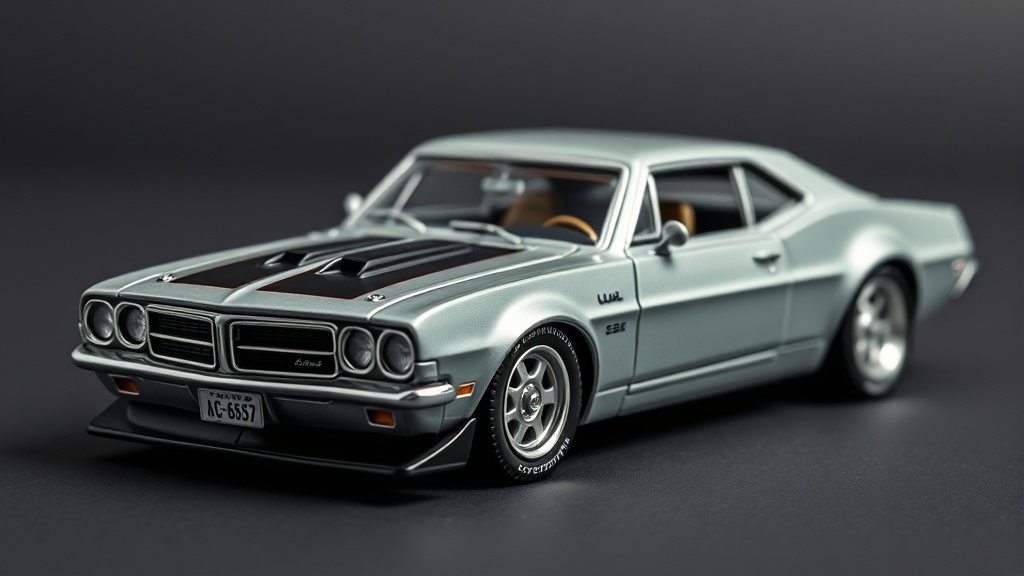
Building your first model car kit can be an exciting yet daunting experience, especially if you’re new to the hobby. In this guide, I’ll walk you through the best model car kits for beginners—kits that balance detail with ease of assembly, making them perfect starting points for anyone looking to break into the world of scale model cars.
Key takeaways
- Beginner model car kits should offer clear instructions and manageable parts without overwhelming detail.
- Plastic snap-together kits and basic glue-together kits are ideal for building confidence.
- Popular beginner-friendly kits often feature classic cars from brands like Revell, Tamiya, and AMT.
- Budget-friendly kits can still provide satisfying builds with good paint and decals.
- Quality display options complement your completed builds and protect them from dust and damage.
Why the right beginner model car kit matters
When I first started building model cars decades ago, I jumped into complex kits with hundreds of parts and intricate paint demands—only to get frustrated and shelve them unfinished. Over time, I learned that picking the right beginner kit means finding a balance: enough detail to feel rewarding, but not so many fiddly bits that you lose motivation.
Beginner model car kits usually include plastic snap or glue components, sometimes with simplified paint options or decals rather than full-body painting. They help sharpen your skills like sanding, painting small details, and aligning parts without overcomplicating the process. Getting these fundamentals right sets you up for more ambitious projects.
Best model car kits for beginners (2024 picks)
Here are several kits I’ve tested or researched extensively. They’re known for clear instructions, reasonable difficulty, and excellent value for beginners.
| Model Car Kit | Scale | Assembly Type | Difficulty | Approximate Price | Highlights |
|---|---|---|---|---|---|
| Revell 1969 Ford Mustang | 1:25 | Glue | Easy | $25–35 | Classic muscle car; clear parts; great instructions for beginners |
| Tamiya 1/24 Mini Cooper | 1:24 | Glue | Easy-Moderate | $30–40 | Famous hatchback model; detailed interior; well-engineered parts |
| AMT 1970 Chevrolet Chevelle SS | 1:25 | Snap & Glue | Easy | $20–30 | Muscle car icon; snap-together doors and hood; good decal sheet |
| Revell SnapTite 1950 Mercury | 1:25 | Snap | Very Easy | $15–25 | No glue needed; ideal for kids and absolute beginners |
| Tamiya Ford Mustang GT 350 | 1:24 | Glue | Moderate | $40–50 | Step-up for beginners; engine detail; smooth fit |
Revell 1969 Ford Mustang (Glue-type)
The Revell 1969 Mustang is a fantastic beginner kit that delivers classic muscle car flair with straightforward assembly. The parts fit smoothly, and the instructions are among the clearest I’ve seen in this price range. While glue is required, it isn’t a tough build requiring copious trim or sanding, making it ideal for new modelers ready to learn glue techniques.
Tamiya 1/24 Mini Cooper — Great intro to detail
Tamiya’s reputation for ease of build-quality holds true with their Mini Cooper kit. This slightly more detailed kit is still beginner-friendly but teaches skills like painting interiors and handling decals. Don’t expect snap-fit parts here—it’s glue all the way, but the instructions are very detailed.
AMT 1970 Chevrolet Chevelle SS (Snap & Glue)
If you want an easy-to-assemble kit that still looks great, AMT’s 1970 Chevelle SS kit offers a mix of glue-required and snap-together parts. This combo allows beginners to experience glue for some areas but gain confidence with snap-fit doors and hood. It includes nice decal sheets that add realism without painting.
Revell SnapTite 1950 Mercury — Pure no-glue fun
For absolute beginners or younger model builders, Revell’s SnapTite line like the 1950 Mercury offers incredibly simplified builds with no glue needed at all. Parts clip together with satisfying snap clicks, and the paint and decals add pop. This is the perfect starter kit for kids or nervous adults.
Tamiya Ford Mustang GT 350 — Next step after beginner basics
The Tamiya Mustang GT 350 is a kit I recommend after you’ve built a few easier models. It requires glue and careful paintwork but introduces more detailed engine bays and a better-fitting body. It’s a satisfying upgrade that prepares you for more intricate projects while still beginner-accessible.
Essential tools and starting tips for beginners
When you’re starting your first model car kit, having the right tools makes every step much less frustrating. Here’s my personal recommended toolkit for beginners:
- Plastic model glue (liquid type) — The standard for bonding plastic parts cleanly without excess mess. I use Testors or Tamiya Extra Thin Cement.
- Hobby knife (X-Acto knife) — For trimming and removing parts from sprues.
- Sprue cutters — Essential for cleanly snapping parts off the frame without damage.
- Sandpaper or sanding sticks — Smooth uneven edges or seam lines.
- Tweezers — Helpful for placing small decals or tiny parts.
- Small paintbrushes and basic acrylic paints (optional for kit customization).
Starting tip: Read the entire instruction booklet before you begin assembly. Familiarize yourself with the steps and parts involved. Dry-fit parts without glue to test alignment. These habits prevent surprises and reduce errors.
How to display and protect your finished model cars
Once you complete a model car build, protecting and showcasing it nicely is important. Dust can quickly dull paint, and accidental knocks can cause damages to fragile parts.
I recommend clear acrylic display cases sized to 1:24 or 1:25 scale. Brands like Pro Built and Del Prado offer affordable dust covers with mirrored bases that enhance presentation. For larger collections, consider dedicated wall-mounted display shelves that keep your models visible but out of reach.
Keeping your display out of direct sunlight prevents paint fading too. A good tip from my experience: place a soft mat or felt under models inside cases to avoid scratches on the paint.
Summary comparison checklist
| Feature | Revell Mustang | Tamiya Mini Cooper | AMT Chevelle SS | Revell SnapTite Mercury | Tamiya Mustang GT 350 |
|---|---|---|---|---|---|
| Difficulty (1=easy) | 2 | 3 | 2 | 1 | 4 |
| Glue required? | Yes | Yes | Partial | No | Yes |
| Snap-together parts? | No | No | Yes | Yes | No |
| Detail level | Medium | Medium-High | Medium | Low | High |
| Price range (approx.) | $25–35 | $30–40 | $20–30 | $15–25 | $40–50 |
| Great for kids? | Controlled use | Older kids | Older kids | Yes | No |
FAQ
What scale is best for beginner model car kits?
Most beginners start with 1:24 or 1:25 scale as these sizes balance size and detail well. Parts are easier to handle than tiny 1:43 scale models but not overwhelming like 1:12.
Do I need paint to build beginner model kits?
Many beginner kits include decals to mimic paint details, letting you skip painting if you prefer. However, painting adds realism and enjoyment once you’re comfortable with assembly.
Can kids build model cars without adult help?
Younger children can start with snap-together kits that require no glue or paint. Older kids (around 10+) can handle glue kits with adult supervision.
How long does it take to build a beginner model car kit?
Full assembly typically takes a few hours spread over several days, especially if you paint or decal parts. Welding yourself some patience and breaks improves results.
Where do I find model car kit instructions if I lose the booklet?
Most major brands post PDF instructions online on their official websites or fan forums, which you can download for free.
Starting your model car hobby with the right kit sets the tone for years of rewarding builds. Whether you want classic muscle cars, iconic hatchbacks, or easy snap kits for youngsters, the models above come highly recommended from personal experience and community feedback. Happy building!