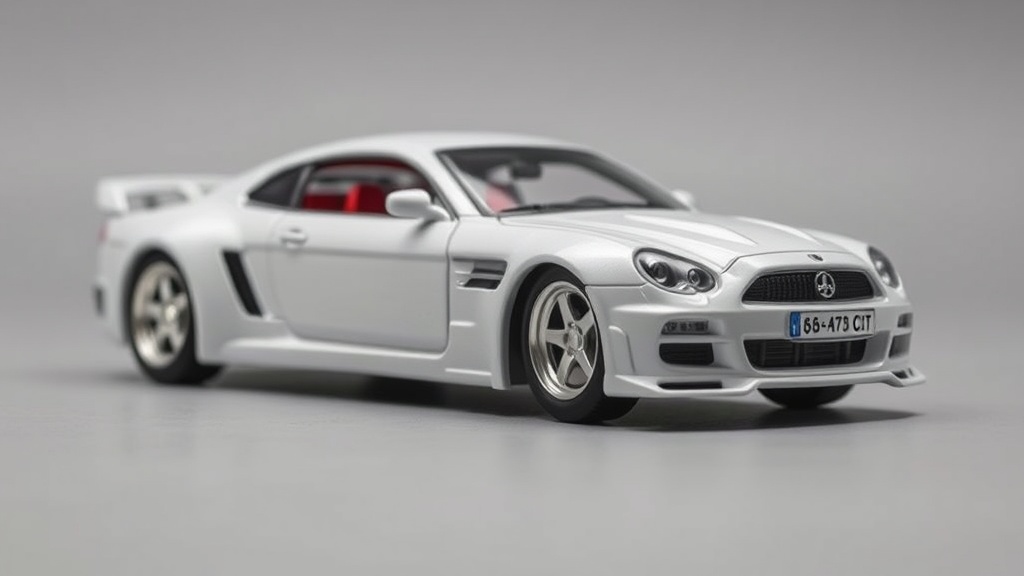
A pristine model car display is a thing of beauty, but keeping your prized diecasts and scale replicas gleaming requires the best model car cleaning kits. After years of collecting, displaying, and yes, sometimes accidentally caking on dust, I’ve learned that not all cleaning products are created equal when it comes to delicate finishes and intricate details.
Key Takeaways
- Gentle is Gold: Always prioritize cleaning solutions and tools designed for delicate surfaces. Harsh chemicals or abrasive cloths can permanently damage paint or decals.
- Preventative Maintenance: Regular, light dusting is your best friend. It minimizes the need for deeper cleaning and reduces the risk of dust bonding to surfaces.
- Specialized Tools Matter: Q-tips, micro-brushes, and soft-bristle brushes are indispensable for reaching nooks and crannies that cloths can’t.
- Test, Then Trust: Before applying any new cleaner to a visible area, always test it on an inconspicuous spot first. Old paint, especially on vintage pieces, can react unexpectedly.
- Breathe Easy: Ensure good ventilation when using any liquid cleaners, and always follow product instructions for safe usage.
Why a Dedicated Model Car Cleaning Kit?
You might be thinking, “Can’t I just use a damp cloth?” And for some quick dust-offs, sure, a soft, slightly damp microfiber cloth might do the trick. However, dedicated cleaning kits are designed with the unique challenges of model cars in mind. We’re talking about intricate grilles, delicate antennae, tiny wing mirrors, and paint finishes that can range from high-gloss automotive enamel to matte military drab. Regular household cleaners can contain alcohol, ammonia, or abrasives that will etch plastic, dull paint, or even remove decals.
I learned this the hard way years ago with a beautiful 1/18 scale Ferrari F40. A friend, trying to be helpful, used some window cleaner on it before a show. The result? Streaky, slightly hazed windows and a dull patch on the paint where it had dripped. Heartbreaking! Since then, I’ve become a stickler for using the right tools and solutions.
The best model car cleaning kits address these issues by offering:
- Non-damaging formulas: Gentle cleaners that won’t harm paint, plastic, rubber, or metal.
- Precision tools: Brushes, swabs, and cloths designed to reach every crevice without causing damage.
- Anti-static properties: Many solutions leave a residue that helps repel dust, keeping your models cleaner for longer.
- Protective coatings: Some kits include waxes or polishes that enhance shine and offer a layer of protection.
Essential Components of a Good Cleaning Kit
When I evaluate a cleaning kit, whether it’s a pre-packaged set or one I’m assembling myself from individual components, these are the items I look for:
1. High-Quality Microfiber Cloths
Not all microfiber is created equal. You want incredibly soft, lint-free cloths that can absorb dust and dirt without scratching. Avoid general-purpose cleaning cloths that might be too abrasive. Think automotive-grade detailing cloths. I usually have a few on hand: one for dry dusting, one for applying cleaner, and a very slightly damp one for final wipes if needed.
My go-to: I’ve had great success with Chemical Guys Professional Grade Premium Microfiber Towels for general wiping. They’re soft, durable, and don’t leave lint. For really delicate areas, I opt for thinner, optical-grade microfiber cloths, often sold for camera lenses or eyeglasses.
2. Soft-Bristle Brushes
These are crucial for dislodging dust from grilles, wheels, engine bays, and interiors. Think paintbrushes, makeup brushes, or dedicated detailing brushes. The softer, the better. You don’t want to bend photo-etched parts or scratch clear plastic.
My go-to: I keep a small arsenal of brushes. A small, soft artist’s paintbrush (like a squirrel hair or sable brush) is perfect for interiors and delicate exteriors. For wheels and underneath, a slightly stiffer but still soft detailing brush designed for automotive interiors works well. For reaching into tight spots, micro-brushes (often used for dental work or electronics) are invaluable.
3. Air Blower / Compressed Air
A gentle puff of air can dislodge loose dust without any physical contact, greatly reducing the risk of scratching. A manual air blower (like those used for camera lenses) is preferred over canned compressed air. Canned air can be too powerful, contain propellants that leave residue, and if held too close, can even freeze delicate plastic parts.
My go-to: A Giottos Rocket Blower or similar manual air blower. It provides a controlled, strong burst of clean air without any chemicals or moisture. I tend to avoid canned air unless absolutely necessary for a very stubborn, hard-to-reach dust bunny, and then only with great care and from a distance.
4. Non-Abrasive Cleaning Solution
This is the heart of your kit. The solution should be pH-neutral, non-toxic, and free of alcohol, ammonia, or harsh detergents. It should be designed to lift dirt and grime without damaging delicate finishes.
My go-to: For general cleaning around my collection, I’ve had excellent results with Novus Plastic Clean & Shine #1. While designed for plastic, it’s very gentle on painted surfaces and leaves an anti-static finish that helps repel dust. For specific cleaning tasks on car bodies, I sometimes use a very diluted solution of mild dish soap (like Dawn) and distilled water, but only for truly grimy situations, and always followed by a thorough wipe with distilled water to ensure no residue. For high-gloss finishes, Meguiar’s Ultimate Quik Detailer is fantastic – it cleans lightly and adds a protective shine without being overly aggressive.
5. Cotton Swabs / Q-tips
Indispensable for tiny crevices, window frames, and intricate details. Pointed cotton swabs are especially useful for getting into sharp corners.
My go-to: Generic cotton swabs work fine, but I also invest in pointed cotton swabs for precision cleaning. These are excellent for chrome trim, headlight recesses, or cleaning around windshield wipers.
6. Detailing Putty / Slime (Optional but useful)
For picking up dust and debris from textured surfaces like interiors or engine bays, detailing putty can be surprisingly effective without leaving residue. It’s especially good for getting into vent grilles or speaker covers.
My go-to: I’ve had good experiences with general automotive detailing gel/putty (often sold under names like ColorCoral Dust Cleaning Gel). Just make sure it’s not overly sticky and doesn’t leave a greasy residue. Test it on an inconspicuous area first.
Assembling Your Own Custom Model Car Cleaning Kit
While several brands offer pre-packaged cleaning kits, I’m a big proponent of building your own. This way, you can tailor it exactly to your collection’s needs and budget. Here’s a comparison of some popular options and my thoughts on building your own:
| Feature/Product | Pre-packaged Kit (e.g., specific model brands) | Build Your Own (Derek’s Pick) |
|---|---|---|
| Cost | Mid-range to High | Potentially lower, customizable to budget |
| Customization | Limited, fixed contents | Fully customizable, pick and choose specific tools/solutions |
| Quality Control | Varies by brand | You select individual high-quality components |
| Specialization | May include niche tools for specific model types | Can be tailored for diecast, kits, or mixed collections |
| Availability | Can be harder to find, specific hobby shops | Components widely available online and in local stores |
| Learning Curve | Often beginner-friendly with instructions | Requires some research into best individual components |
| My Experience | Good for a quick start, but rarely comprehensive | Preferred for long-term versatility and best results |
Cleaning Techniques: My Tried and Tested Approach
Over the decades, I’ve developed a routine that works for me, balancing efficiency with care.
1. Assessing the Dust and Grime
First, I always take a good look at the model. Is it just light surface dust? Or is there some stubborn grime, fingerprints, or even caked-on residue? This dictates how aggressive (or rather, how gentle) I need to be.
2. The Initial Dust-Off
- Air Blower First: I start with my Giottos Rocket Blower to dislodge as much loose dust as possible without touching the model. I aim the air at angles to get into crevices.
- Soft Brush Follow-Up: For any remaining dust, especially on textured surfaces or around intricate details, I use a very soft artist’s paintbrush. Gentle sweeps are the key here, working from top to bottom.
- Detailing Putty (If needed): If there’s dust caught in places like mesh grilles or flocked interiors, I carefully dab with detailing putty.
3. Cleaning the Body
- Light Dust/Fingerprints: For light dust or minor smudges, a clean, dry, high-quality microfiber cloth is often all that’s needed. If it’s a bit more stubborn, I’ll lightly mist the cloth (NOT the model directly) with Novus Plastic Clean & Shine #1 or Meguiar’s Ultimate Quik Detailer and gently wipe the surface.
- Stubborn Grime: For more significant grime – perhaps from a kitchen counter model exposed to cooking fumes – I’ll use a very mild cleaning solution. I spray a small amount onto a separate, clean microfiber cloth and gently wipe. I never spray cleaners directly onto the model, as the solution can seep into crevices and cause unforeseen damage or residue. After cleaning, I always follow with a quick wipe using a damp (with distilled water) microfiber cloth to remove any residue, then immediately dry with a fresh, clean microfiber cloth.
4. Windows and Clear Parts
- Dedicated Approach: Windows and clear plastic parts are the most susceptible to scratching and hazing. I use Novus Plastic Clean & Shine #1 exclusively here, applied to a clean, optical-grade microfiber cloth or soft cotton swab.
- Gentle Circles: I wipe in small, gentle circular motions, paying close attention not to press too hard. For inside corners, a pointed cotton swab lightly moistened with the cleaner works wonders.
- Avoid Harsh Chemicals: Again, avoid Windex or other household glass cleaners. They often contain ammonia which can cloud plastic over time.
5. Wheels and Tires
- Brushing: Wheels can accumulate a lot of dust. I use a slightly stiffer, but still soft, detailing brush to clean spokes and brake calipers.
- Wiping: For tires, a dedicated tire brush or even just a damp microfiber cloth can remove most dust. If they’re particularly dull, a tiny amount of Meguiar’s Ultimate Quik Detailer on a cloth can bring back some luster, but avoid getting it on paint.
6. Engine Bays and Interiors
- Precision and Air: These areas are packed with delicate parts. The air blower, soft artist’s brushes, and pointed cotton swabs are your best friends here.
- Minimal Liquids: I try to avoid liquids in these areas as much as possible. If necessary, a barely damp cotton swab with plain distilled water or a tiny drop of Novus Plastic Clean & Shine #1 can be used, but extreme care is needed to prevent moisture damage or residue buildup. Detailing putty again proves useful for textured seats or dashboards.
7. Final Inspection & Protection
Once I’m done cleaning, I give the model a once-over under good light to ensure no streaks, dust, or residue remain. For high-gloss models, a very light application of a good quality car wax designed for delicate finishes (or a final pass with Novus Plastic Clean & Shine #1) can add an extra layer of protection and shine. This is particularly useful for models that are handled occasionally or exposed to more dust.
Remember, consistency is key. A quick, gentle dusting every couple of weeks will prevent major cleaning sessions and keep your models looking their best for years to come.
Comparison of Recommended Cleaning Components
Here’s a quick look at some of the best components I recommend, categorized by what they do best:
| Category | Recommended Item(s) | Best Use Cases | Derek’s Notes |
|---|---|---|---|
| Dust Removal | Giottos Rocket Blower | Loose surface dust, preventing scratches, quick dust-offs | Essential first step, safe and effective. Avoid canned air where possible. |
| Soft Artist’s Paintbrushes (Sable, Squirrel Hair) | Grilles, engine bays, intricate details, textured interiors | Invest in good quality; their softness protects delicate parts. | |
| Detailing Gel / Putty (e.g., ColorCoral) | Textured dashboards, vent grilles, picking up stubborn dry particles | Test first on unseen area; ensures no residue. | |
| General Cleaning | Chemical Guys Professional Grade Microfiber Towels | All-purpose wiping, surface cleaning, buffing | High quality makes a difference; wash frequently, separately. |
| Meguiar’s Ultimate Quik Detailer | Light surface cleaning, adding shine/protection to paint | pH-neutral, safe for most finishes, leaves a great protective shine. | |
| Novus Plastic Clean & Shine #1 | Clear plastic (windows), head/taillights, anti-static properties | My go-to for windows, also gentle enough for paint. Keeps dust away longer. | |
| Precision Cleaning | Pointed Cotton Swabs / Micro-brushes | Tight corners, chrome trim, emblems, around window seals | Indispensable for the smallest details; avoid over-saturation. |
| Distilled Water | Diluting cleaning solutions, final rinse for residue removal | Prevents mineral deposits and water spots. | |
| Protection | Meguiar’s Ultimate Quik Detailer or Novus Plastic #1 | Adds a light layer of protection and shine after cleaning. | A good final step, especially for handled models or display pieces. |
| Meguiar’s Gold Class Carnauba Plus Liquid Wax (sparingly) | For durable high-gloss paint finishes, ultimate shine/protection | Use very sparingly on a clean cloth, buff off quickly. Not for matte or satin finishes. |
FAQ
### Can I use household cleaning products on my model cars?
I strongly advise against it for most model cars. Products like window cleaner, furniture polish, or all-purpose cleaners often contain ammonia, alcohol, harsh detergents, or silicones that can permanently damage paint, clear plastic (causing haziness), or even decals on your models. Stick to products specifically designed for delicate surfaces or dedicated model car cleaning solutions. As I mentioned, I learned this the hard way with my Ferrari!
### How often should I clean my model cars?
It largely depends on your display environment. If your models are in a sealed display case, a light dusting every few months might suffice. For open displays or those exposed to more dust, a gentle dusting with a soft brush or air blower every 1-2 weeks is ideal. A deeper clean with liquid solutions might only be necessary every 6-12 months, or when you notice obvious grime or fingerprints. Regular, light maintenance significantly reduces the need for intensive cleaning.
### What’s the safest way to clean clear plastic windows without scratching them?
The safest method is to first use a Giottos Rocket Blower to remove any loose dust, followed by a very soft microfiber cloth or optical-grade cloth lightly misted (not saturated) with a specialized plastic cleaner like Novus Plastic Clean & Shine #1. Gently wipe in circular motions, then buff dry with a separate, clean, dry microfibertowel. Always avoid paper towels or harsh cloths, and never use Windex or alcohol-based cleaners on plastic.
### My model has a matte finish. How do I clean it without making it shiny?
Matte finishes are tricky. The key is to avoid anything that adds shine or leaves a residue. For light dust, use an air blower and a very soft brush. For smudges, a slightly damp microfiber cloth with plain distilled water is usually sufficient. If you absolutely need a cleaner, some brands offer dedicated matte finish detailers, but always test on an inconspicuous area first. Avoid waxes, polishes, or any product designed to enhance gloss, as these will ruin the matte effect.
### My model has very tiny, delicate parts. How do I clean around them without breaking them?
This is where your precision tools shine! Start with a Giottos Rocket Blower to dislodge loose dust. Then, use very soft artist’s paintbrushes (like sable or squirrel hair brushes) or micro-brushes for targeted dusting. For extremely tight spots or embedded dust, pointed cotton swabs very lightly dampened with plain distilled water can be used, but be extremely careful not to snag or bend delicate parts like antennae, mirrors, or small photo-etched pieces. Take your time and use good lighting.
Featured products
- Chemical Guys, 7-Piece Car Cleaning Kit, Wash, Wheel & Interior Cleaners
- Chemical Guys Complete Car Detailing Kit, 17 Items