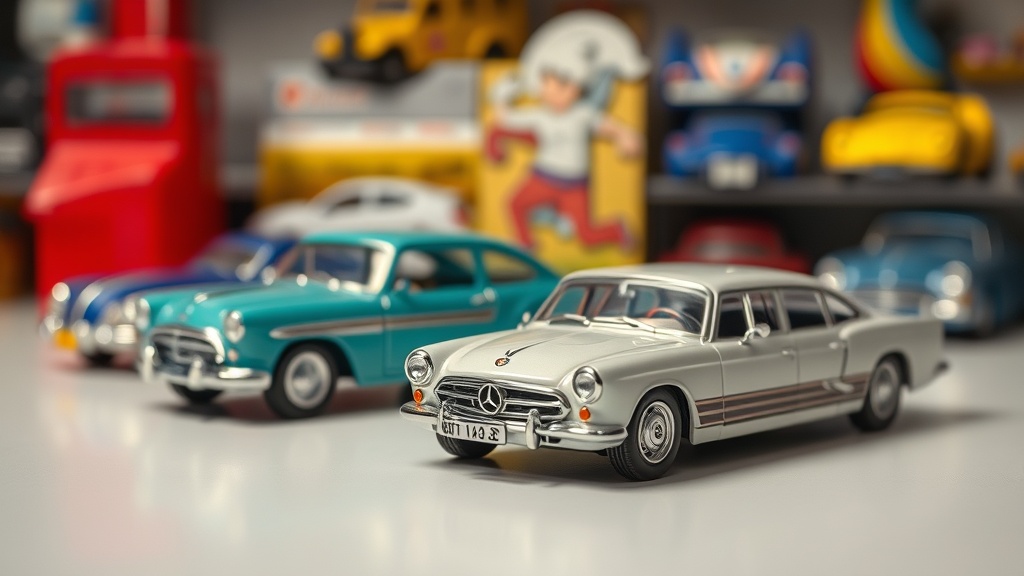
Diecast vs Plastic Model Kits — How to Choose the Right One for Your Collection
When it comes to building or collecting scale models, one key decision is whether to go for diecast or plastic model kits. Both types have their advantages and appeals, and understanding their differences helps you pick the perfect fit — whether you’re an experienced collector, a parent shopping Hot Wheels-type gifts, or a beginner aiming to craft your first garage display.
Key takeaways
- Diecast models are metal-based, usually pre-assembled or partly assembled, highly durable, and great for collectors who want realistic, ready-to-display cars.
- Plastic model kits require assembly and sometimes painting, offering a rewarding hands-on building experience and more customization options.
- Diecast models tend to retain value better, while plastic kits excel in detail and scale accuracy when built well.
- Budget considerations and display preferences often dictate whether diecast or plastic model kits make the best choice.
- Both types can shine in garage displays or as gifts, but knowing your priorities—durability, authenticity, build experience, or customization—is essential.
What Are Diecast Model Kits?
Diecast models are typically made by injecting molten metal, usually a zinc alloy, into a mold, creating sturdy miniature vehicles. Most manufacturer-produced diecast models come pre-assembled, though some kits offer partial assembly or customizable parts. Brands like Hot Wheels Elite and Maisto exemplify diecast cars, ranging in scale from 1:64 up to 1:18 and beyond.
From my personal experience, diecast models are perfect when you want something solid and ready to display. I’ve built display walls specifically for my diecast collection because they hold up well over time and resist minor drops or handling. A word of caution, though — cleaning them with harsh chemical cleaners can ruin the paint, a lesson I learned the hard way. Stick to mild soaps and microfiber cloths.
Advantages of Diecast Models
- Durability: The metal body withstands play and display handling without easily breaking.
- Ready to Display: Pre-assembled and painted, requiring minimal work before showing off.
- Weight and Feel: The heft of the metal adds to its perception of quality and realism.
- Value Retention: Well-maintained diecast cars often hold or appreciate in value, especially limited editions.
Limitations of Diecast Models
- Less Customization: Since most diecast models come fully built and painted, customization is limited.
- Detail Limitations: Some diecast models may lack the fine details or paint accuracy that skilled model builders find in plastic kits.
- Scale Consistency: The scales can vary, and mixing brands sometimes reveals scale discrepancies.
What Are Plastic Model Kits?
Plastic model kits are inject-molded components typically made of polystyrene plastic, which you snap or glue together. These kits often come unpainted, requiring assembly, painting, and sometimes decals for the final look. Brands such as Tamiya and Revell lead the plastic model market.
As someone who’s tried my hand at both, I find plastic kits immensely satisfying for the creative process. I remember my first build—taking the time to carefully sand parts, glue, and paint the Ferrari F1 model—felt like a true craft project. Plus, they can perfectly replicate complex engine parts and interiors, making them ideal for display enthusiasts who enjoy realism at the micro level.
Advantages of Plastic Model Kits
- Customization: Builders can paint, add weathering, decals, and tweak parts to personal taste.
- High Detail: Many plastic kits feature precise engine, chassis, and interior components.
- Varied Skill Levels: Kits range from beginner-friendly snap-together to expert-grade builds.
- Learning Experience: Building teaches modeling skills and car mechanics in miniature.
Limitations of Plastic Model Kits
- Time and Effort: Completing a quality plastic model requires patience and dedication.
- Fragility: Finished kits have delicate parts that can break if mishandled.
- Initial Cost: Although kits can be inexpensive, the cost of paints, tools, and adhesives adds up.
Diecast vs Plastic: Which Should You Choose?
Your choice depends on your priorities: do you want a quick collectible, or do you crave an immersive build? Here’s a straightforward side-by-side comparison.
| Feature | Diecast Model Kits | Plastic Model Kits |
|---|---|---|
| Material | Zinc alloy metal with some plastic | Polystyrene plastic |
| Assembly | Mostly pre-assembled or partial | Full assembly required |
| Paint & Finish | Factory paint, limited customization | Requires painting and finishing |
| Detail Accuracy | Good but limited | Excellent, highly detailed |
| Durability | Strong, resistant to handling | Fragile, prone to breakage |
| Time Investment | Minimal | High, can take hours/weeks |
| Cost | Moderate to high, depends on brand | Usually lower initial cost, paints/tools extra |
| Value Retention | Higher for limited editions | Generally lower post-build value |
| Best For | Fast collectors, display collectors | Hobbyists, modelers, customization lovers |
| Display Readiness | Ready to display out of box | Requires glue, paint, decals |
Practical Considerations for Collectors and Hobbyists
Display and Storage
Diecast models, with their sturdier build, are easy to arrange into neat wall racks or glass cases. Plastic models, however, require more careful handling during setup as delicate parts can snap or chip. I recommend using dust covers or sealed display boxes for both types, especially with painted plastic kits that might fade or chip over time.
Maintenance Tips
I’ve ruined some model finishes using abrasive cloths and harsh chemicals. For diecast, cleaning with a soft, damp microfiber cloth is best. Plastic models need dusting with a soft-bristled brush; avoid water on painted surfaces unless you’re sure of the paint compatibility.
Budgeting
Your budget may tip the balance. Diecast cars come at various price points, with highly detailed 1:18 Ferrari models costing over $200, whereas beginner plastic kits and necessary paints can be found for under $50. Consider what you’re comfortable investing in terms of money and time.
Which Model is Better for Kids and Beginners?
For kids and those new to model kits, diecast cars offer robust playability and instant gratification. Plastic kits require adult supervision for glue and paint, plus patience—a challenge for younger children.
Some beginner-friendly plastic snap kits, however, give youngsters a taste of modeling without the frustration of complex assembly. Parents shopping for gifts may want to consider combining a diecast car with a simple plastic kit to inspire both play and craft.
Summary: When Diecast and Plastic Kits Shine
Diecast models excel when collectors want a high-quality, ready-to-display car without fuss or build time. Plastic model kits are the go-to for those craving a fulfilling building experience and maximum detail fidelity.
For Ferrari enthusiasts, diecast Ferrari models can be stunning and display-ready right out of the box. If you enjoy hands-on projects, plastic Ferrari model kits let you recreate the intricate details under the hood and driver cockpit.
Both have a place in a comprehensive collection, and once you’ve experienced the pros and cons firsthand, you can confidently curate a collection that resonates with your style and goals.
FAQ
Are diecast model kits better for beginners than plastic kits?
Generally, yes. Diecast models require no assembly, making them ideal for beginners or collectors wanting instant display models without the need for tools or paint.
Can I paint or customize diecast models?
While possible, customization is more challenging because diecast surfaces are less forgiving than plastic. Most diecast collectors avoid repainting to preserve value and factory finish.
How long does it take to build a plastic model kit?
That depends on the kit complexity and your skill level. Simple kits may take a few hours, while advanced models with intricate parts can require days or weeks to complete.
Which type holds its value better over time?
Limited edition diecast models typically retain or increase in value. Plastic models usually hold value less well due to the labor invested and varying build quality.
What is the best scale for diecast and plastic model kits?
1:18 scale is popular for both diecast and plastic kits, balancing detail and size. Smaller scales like 1:64 are common in diecast but less so in plastic kits with complex details.
Choosing between diecast and plastic model kits comes down to whether you want a durable collectible or a rewarding crafting project. I’ve enjoyed both forms over my years collecting and building—each offering its own unique joys. Whether you prefer the shine of a ready-to-show diecast Ferrari or the satisfaction of painting and assembling a detailed plastic replica, this hobby remains a timeless way to celebrate automotive passion.